
TL;DR:
- A zombie foreclosure occurs when a homeowner vacates a property before the foreclosure process concludes, leaving them still responsible for ongoing costs. Florida homeowners often face this situation due to lender stall tactics, misreading notices, or revived second mortgages, which can lead to significant legal and financial liabilities. Verifying foreclosure status through county records and consulting a Florida attorney are essential steps to protect oneself from unresolved ownership and debt issues.
A zombie foreclosure is defined as a situation where a homeowner vacates their property after a foreclosure notice but before the foreclosure process legally concludes, leaving them still the legal owner with full financial responsibility. Florida homeowners face this trap more than most. Florida ranked third nationally in residential foreclosures as of october 2024, with one filing per every 3,086 housing units. That ranking reflects a housing market where zombie foreclosures are not rare edge cases. They are a real and costly risk for anyone who defaults on a mortgage and assumes the bank will handle the rest.
What is zombie foreclosure in Florida and why does it happen?
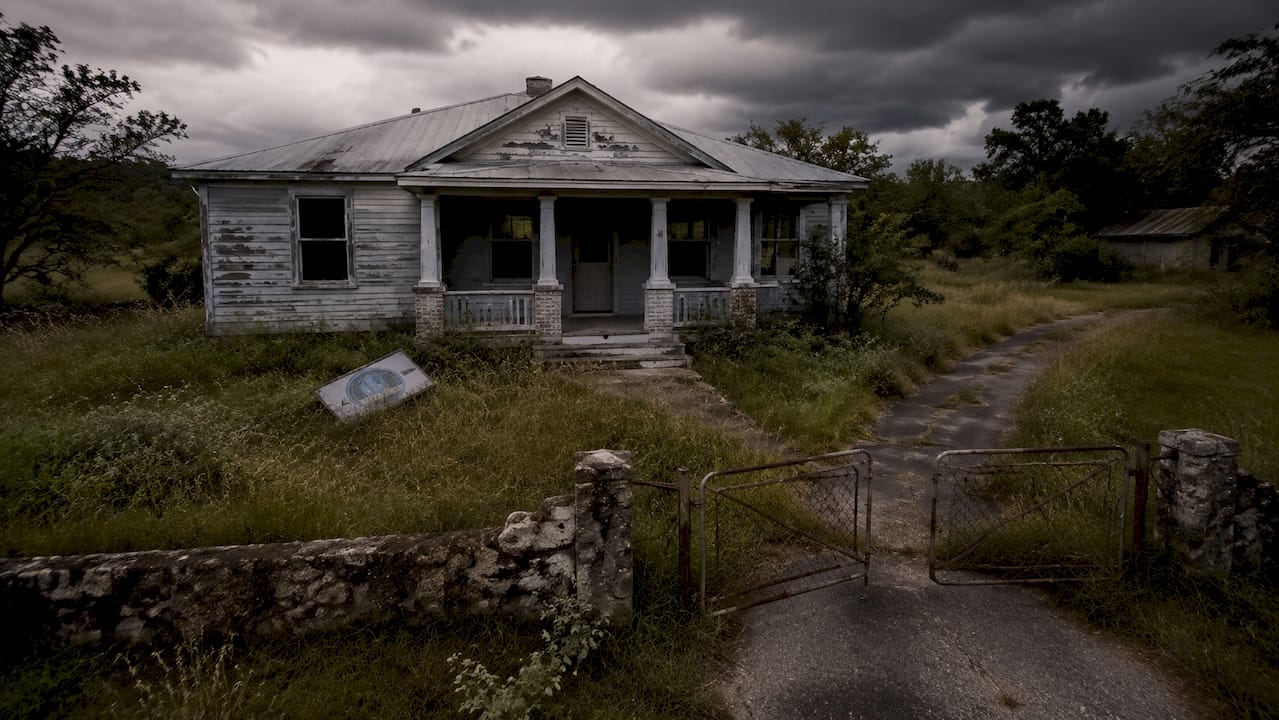
A zombie foreclosure occurs when a lender abandons the foreclosure before auction, often because the property’s market value is too low to justify the legal costs of completing the process. The lender preserves its lien but never takes ownership. The homeowner, who already left the property believing the bank would take over, remains the legal owner by default.
Florida’s foreclosure process is judicial, meaning every case must move through the court system. That process can take months or years. During that window, lenders have every incentive to stall or walk away from low-value properties. The homeowner is left in legal limbo, often without knowing it.
The informal term “zombie foreclosure” is not a legal classification under Florida statutes. The recognized industry term is an “abandoned foreclosure” or “stalled foreclosure action.” Both phrases describe the same outcome: a foreclosure that started but never finished, with the homeowner still holding title.
Common causes of zombie foreclosures in Florida
Several factors push Florida homeowners into this situation:
- Lender cost calculations. When a property’s value falls below the outstanding mortgage balance, lenders sometimes decide the legal fees of completing foreclosure outweigh any recovery. They stop the process without notifying the homeowner.
- Homeowner misreading of notices. A notice of default or lis pendens filing is not a transfer of ownership. Homeowners often believe they must leave after receiving these notices, but they retain full legal rights until the foreclosure auction closes and the deed is recorded.
- Second mortgage investors. Zombie second mortgages are purchased by investors who wait for property values to rise before aggressively pursuing collections. Homeowners may be blindsided by these revived claims years after they thought the debt was settled.
- Economic downturns. During periods of broad market decline, lenders face backlogs of distressed properties. Many foreclosure cases simply stall in the pipeline.
Pro Tip: If you received a foreclosure notice but have not received written confirmation that the foreclosure auction occurred and the deed transferred, do not assume the process is complete. Check the county clerk’s records directly.
What are the legal and financial risks for Florida homeowners?
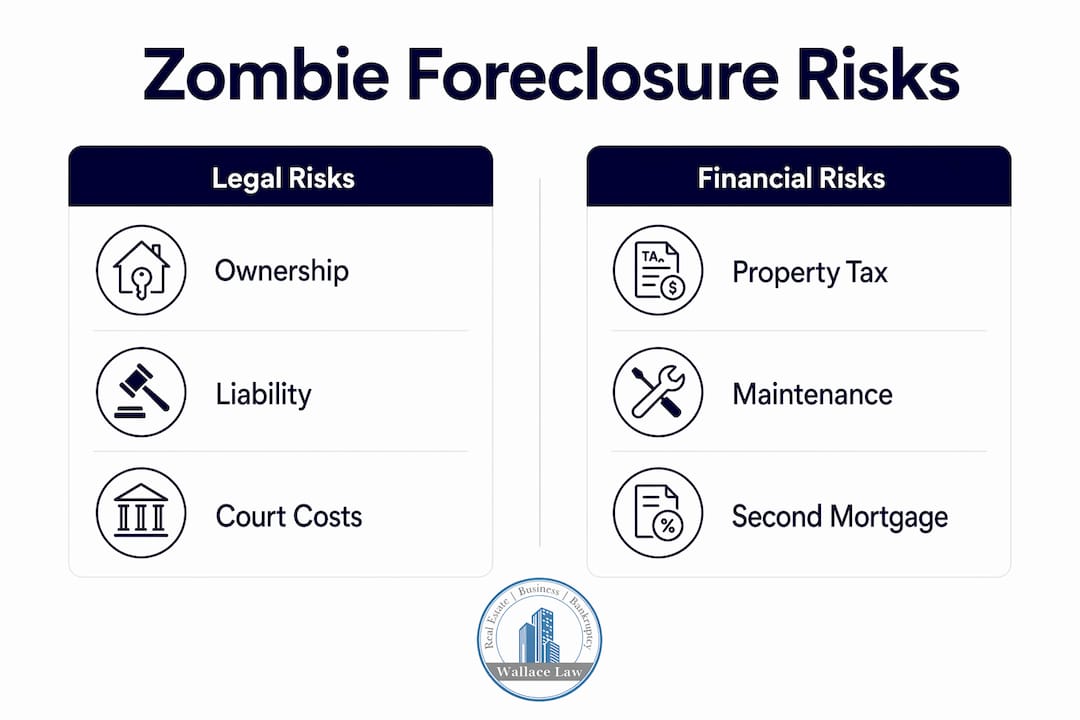
The legal reality is straightforward and severe. A Florida homeowner remains legally responsible for all costs, including property taxes, HOA fees, and maintenance, until the foreclosure auction completes and the deed is officially recorded. Costs accrue every day the homeowner remains on title. That means a homeowner who vacated two years ago may owe two years of property taxes, HOA fines, and code enforcement penalties.
Handing keys to a lender has no legal effect whatsoever. A deed-in-lieu requires lender agreement and official recording to transfer ownership. Without that formal documentation, the homeowner remains the legal owner regardless of who physically holds the keys or who is living in the property.
Financial liabilities that accumulate during a zombie foreclosure
- Property taxes. Unpaid taxes allow counties to sell tax certificates to investors. Those investors can then initiate a separate foreclosure on the property, entirely independent of the mortgage foreclosure. A homeowner can face two simultaneous foreclosure actions from two different parties.
- HOA fees and fines. Florida HOAs have strong legal authority to place liens and pursue collections. Unpaid fees compound quickly and can lead to wage garnishments.
- Code enforcement fines. A vacant property deteriorates. Local governments issue fines for overgrown lawns, broken windows, and structural violations. Those fines attach to the property and to the owner of record.
- Revived second mortgage debt. Investors who purchase dormant second mortgages can pursue the full balance, including years of accrued interest, once property values recover.
| Liability Type | Who Pursues It | Potential Consequence |
|---|---|---|
| Property taxes | County tax authority | Tax certificate sale, investor foreclosure |
| HOA fees | Homeowners association | Lien, wage garnishment |
| Code enforcement fines | Local government | Lien, escalating penalties |
| Second mortgage debt | Debt investors | New foreclosure action, collections |
| Mortgage balance | Original lender or servicer | Deficiency judgment |
Pro Tip: Request a payoff statement and foreclosure case status from your mortgage servicer in writing. A verbal assurance that “the bank is handling it” is not legally binding and will not protect you from accumulating debt.
How do you know if you have a zombie foreclosure situation?
Identifying a zombie foreclosure requires checking several sources, not just waiting for mail. Many homeowners in this situation receive no communication for months or years, which is precisely what makes the problem so damaging.
Checking county records, foreclosure auction outcomes, and mortgage status gives homeowners the clearest picture of where they stand. Florida’s county clerk websites allow public searches of court cases and recorded deeds. If no final judgment of foreclosure and no new deed appear in the records, the foreclosure has not concluded.
Signs that you may be in a zombie foreclosure situation:
- You received a foreclosure notice or lis pendens but never received written notice of a completed auction or deed transfer.
- Your credit report still shows the mortgage as active or delinquent rather than discharged or transferred.
- You are receiving property tax bills, HOA statements, or code enforcement notices at your former address.
- A debt collector has contacted you about a second mortgage you believed was resolved years ago.
- The county property appraiser’s website still lists you as the owner of record.
Monitoring your credit report through Equifax, Experian, or TransUnion will show whether the mortgage lender has reported the loan as closed. If the account remains open and delinquent, the foreclosure has not legally ended.
What steps can Florida homeowners take to protect themselves?
Staying current on payments, consulting legal counsel early, and verifying foreclosure status are the three most effective actions a homeowner can take to avoid or resolve zombie foreclosure harm. Each step addresses a different layer of the problem.
- Verify your foreclosure status immediately. Search the county clerk’s online case portal for your property address. Confirm whether a final judgment of foreclosure was entered and whether a certificate of title was issued to a new owner.
- Contact your mortgage servicer in writing. Request written confirmation of the loan’s current status. Keep copies of every response. Written records protect you if a dispute arises later.
- Consult a Florida foreclosure attorney. Florida real estate law is specific about what constitutes a completed foreclosure. An attorney can review your case, identify your exposure, and advise on options including foreclosure defense strategies or bankruptcy protection.
- Continue paying property taxes if you remain on title. Unpaid taxes trigger the tax certificate process, which can result in a separate investor-driven foreclosure. Paying taxes preserves your ownership rights and prevents additional legal complications.
- Negotiate a deed-in-lieu with your lender. If you want to formally transfer ownership and end your liability, a deed-in-lieu requires the lender’s written agreement and must be recorded with the county. This is the only way to legally exit ownership short of a completed foreclosure auction.
- Monitor for zombie second mortgage claims. If you had a second mortgage or home equity line of credit, check whether that debt was sold. Florida homeowners face unique risks from investors who purchase dormant second mortgages and revive collection efforts years later.
Pro Tip: If a debt collector contacts you about an old second mortgage, verify the statute of limitations before making any payment. In Florida, the statute of limitations on a written contract is generally five years. Making a partial payment can restart that clock.
Understanding your legal rights in foreclosure is not optional when you are still on title. It is the only way to stop the financial bleeding.
Key Takeaways
Zombie foreclosures in Florida leave homeowners legally and financially responsible for properties they have already vacated, and only a completed foreclosure auction or a formally recorded deed-in-lieu can end that liability.
| Point | Details |
|---|---|
| Legal ownership persists | You remain the legal owner until the deed transfers at auction or via a recorded deed-in-lieu. |
| Costs accumulate daily | Property taxes, HOA fees, and code fines keep accruing whether you live in the home or not. |
| Second mortgages can revive | Investors buy dormant second mortgages and pursue full balances years after the original default. |
| Verify through county records | Search the county clerk’s portal to confirm whether a final judgment and certificate of title were issued. |
| Legal counsel is the fastest path | A Florida foreclosure attorney can identify your exposure and negotiate or contest claims before they escalate. |
What I have seen zombie foreclosures actually cost Florida homeowners
The cases that concern me most are not the ones where homeowners knew they were in trouble. They are the ones where a family left a home in 2011, rebuilt their lives, and then received a collection notice in 2024 for a second mortgage they thought had been wiped out. That scenario is not hypothetical. It is exactly what zombie second mortgage investors have been doing in Florida for years.
The conventional advice is to “communicate with your lender.” That is correct but incomplete. Lenders and servicers change. Loans get sold. The entity you spoke with in 2012 may not be the entity that holds your note today. Written records from every communication are not just good practice. They are your only defense when a new servicer claims no record of prior agreements.
What I find most frustrating is the gap between what homeowners believe and what the law actually says. Vacating a property feels like giving it up. Legally, it means nothing. Only a formal deed transfer ends ownership. That gap between perception and legal reality is where zombie foreclosures live, and it is where homeowners get hurt the most.
My advice is to treat any unresolved foreclosure as an open legal matter until you have a recorded document proving otherwise. Do not wait for the bank to act. Verify the status yourself, get an attorney involved early, and do not make any payment on a revived debt claim without first understanding the statute of limitations implications.
— Steven
Wallacelawflorida can help you resolve zombie foreclosure issues
Florida homeowners dealing with stalled foreclosures, revived second mortgage claims, or unresolved ownership questions need legal guidance specific to Florida real estate law. Generic advice is not enough when your financial future is tied to a property you thought you left behind.
Wallacelawflorida serves homeowners in Boynton Beach and surrounding South Florida communities, providing direct attorney access for Florida real estate legal matters including foreclosure defense, deed-in-lieu negotiations, and zombie mortgage disputes. The firm’s attorneys understand the local court systems, county recording processes, and lender tactics that create these situations. Contacting an attorney before a tax certificate sale or a debt collector’s deadline gives you options. Waiting until after those events limits them significantly.
FAQ
What is a zombie foreclosure in Florida?
A zombie foreclosure occurs when a Florida homeowner vacates their property after a foreclosure notice but before the foreclosure legally concludes, leaving them still the legal owner with ongoing financial responsibilities.
Does leaving my home end my mortgage liability in Florida?
No. Vacating a property has no legal effect on ownership or liability. Only a completed foreclosure auction with a recorded deed or a formally executed deed-in-lieu transfers ownership away from the homeowner.
Can a second mortgage come back after years of silence?
Yes. Investors purchase dormant second mortgages and can pursue the full balance, including accrued interest, once property values rise. Florida homeowners have received collection notices more than a decade after their original default.
How do I check if my foreclosure was completed in Florida?
Search the county clerk’s online court records for your property address. Confirm whether a final judgment of foreclosure was entered and whether a certificate of title was issued to a new owner. If neither appears, the foreclosure has not concluded.
What is a deed-in-lieu and how does it help?
A deed-in-lieu is a formal agreement where the homeowner voluntarily transfers the property title to the lender in exchange for release from the mortgage obligation. It must be agreed to in writing by the lender and recorded with the county to be legally effective.